
Ethical manufacturing is usually discussed in terms of intention and audited in terms of documents. That gap is where most buyer risk sits: an audit report can be genuine and still describe a site other than the one making your order, and a corrective action plan can be closed on paper while the underlying condition persists. Understanding what the documentation verifies, and what it does not, is what makes a compliance requirement operational rather than decorative.
Ethical Apparel Manufacturing China: what a buyer has to settle first
Three decisions come before the audit conversation. Which standards or buyer codes the programme has to satisfy, because they determine which audits are acceptable. Which site is actually covered, since an audit attaches to a factory rather than to a supplier relationship. And which party is responsible for what: who collects the documentation, who reviews the corrective actions, and who is accountable if a finding is not closed.
Two further items belong in the brief. The product and process scope, because some processes such as dyeing, printing and bonding are frequently subcontracted and may sit outside the audited site. And the order volume and duration, because a long-term relationship allows a compliance record to be reviewed over time while a one-off order relies on a snapshot.
It is also worth deciding how the requirement will be evidenced in the ordinary course of the order, rather than only when a problem appears. A programme that asks for the audit reference, the producing site and the corrective action status as part of the standard order file avoids a scramble at shipment, and it makes the requirement part of the buying process rather than a separate exercise.
What social compliance actually covers: labour standards, hours and safety
Social compliance frameworks generally address the same categories of risk, even where the specific requirements differ. They cover working hours and rest, wages and payment records, freedom of association and the absence of forced or child labour, workplace health and safety, and the treatment of workers including the absence of harassment and discrimination. The audit tests whether systems exist and whether records support them.
The practical implication for a buyer is that the audited subject is a management system rather than a product. That is why a compliance claim cannot be transferred from one factory to another, and why the useful question is always which site was audited and against which standard. Guidance on labour standards in the sector, including the position on hours and safety, is published by the International Labour Organization’s textiles programme.
Audit frameworks compared: BSCI, Sedex and buyer-specific programmes
Three kinds of programme appear most often in apparel supply chains, and they are not interchangeable. amfori administers BSCI, a widely recognised social audit framework that many European buyers ask suppliers to hold. Sedex operates a membership platform through which audit and assessment data is shared between suppliers and buyers. Buyer-specific codes are written by individual retailers and may impose requirements that neither of the other two covers.
| Framework type | What it provides | What the buyer has to check |
|---|---|---|
| Industry social audit (for example BSCI) | A recognised audit against a published standard | Which site was audited and when, and whether findings were closed |
| Data-sharing platform (for example Sedex) | Shared access to audit and assessment records | Whether the record is current and covers the producing site |
| Buyer-specific code | Requirements written by the end buyer | Whether the supplier has been assessed against that code |
| Site certification programmes | Certification of a facility against a published standard | Scope of the certificate and its validity period |
The practical point is that holding one framework does not satisfy another. A supplier with a current audit under one programme may still need assessment under a buyer’s own code, and a buyer relying on a data-sharing platform still has to confirm that the record covers the site producing the order.
Two practical checks follow. The first is currency: an audit from an earlier cycle may describe a site that has since changed management, expanded or moved production. The second is scope: the report should state which processes were included, because a social audit of a cutting and sewing floor does not cover a dyehouse operating elsewhere. Both answers are in the document, and both are usually skipped in favour of the summary.
What an audit report proves, and what it does not
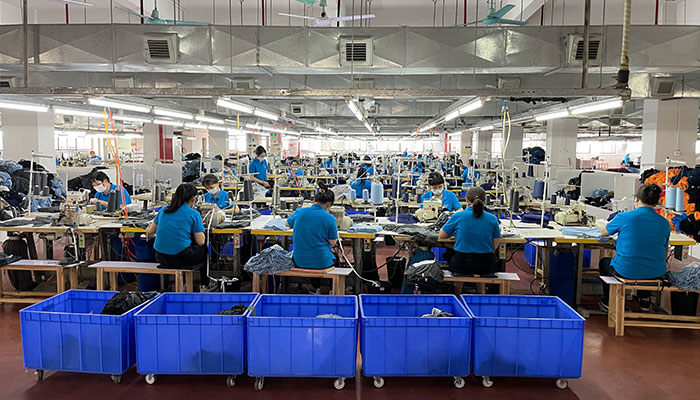
An audit report proves that an assessment took place on a date, against a standard, at a named site, and that the auditor recorded certain findings. It does not prove that the site is free of risk on the days it was not audited, and it does not cover processes that were subcontracted elsewhere. A report with no findings is a statement about what the auditor observed, not a guarantee about what happens between visits.
Three details therefore matter more than the headline result: the date, because a record ages; the scope, because it defines which processes were included; and the corrective actions, because they describe what the site committed to change and whether it happened. Buyers should read the findings rather than the summary, since a report with several minor findings and closed actions can be more informative than one with none.
Corrective action plans: how findings are closed and verified
A corrective action plan converts a finding into an owner, an action and a date. The useful version names what will change, who is responsible for it, when it will be completed, and what evidence will demonstrate completion. Without those four elements, a plan is a statement of intent and cannot be tracked.
Verification is the part buyers most often leave out. A finding may be closed administratively when the paperwork is submitted, or verified on site at the next audit. Buyers should establish which of the two applies for each action, and for higher-risk findings should ask for evidence at the point of completion rather than waiting for the next assessment cycle. That is also the point at which a relationship is tested, because a supplier that resists documentation on a closed action is signalling how it will behave on the next one.
Subcontracting and homeworking: where ethical risk hides in a supply chain
The producing site is not always the only site involved. Dyeing, printing, embroidery, bonding and specialised finishing are commonly bought in, and each of those adds a site that may sit outside the audited scope. Homeworking is the harder case, because it is dispersed and difficult to audit even where a supplier is willing to disclose it.
The practical response is disclosure plus approval. The purchase order should require the supplier to name any subcontracted process and the site performing it, and to obtain approval before placing work elsewhere. That single clause converts an unknown into a decision, and it is the point at which most buyers discover that part of their order is being produced somewhere they had not considered.
Tracing your order to the site that actually made it
Traceability in this context means being able to connect a purchase order to the site that manufactured the goods. The evidence is usually a combination of documents: the supplier’s declaration of the producing site, the cutting and packing records, and where relevant the shipment documentation that names the origin.
Two arrangements make the connection usable. The producing site should be named in the purchase order rather than in a separate conversation, so that a change of site becomes a contractual matter rather than a production detail. And the site name should be checked against the audit record, because a supplier holding an audit for one facility and producing in another is the most common form of compliance mismatch in the category.
Writing a compliance clause into the purchase order
The purchase order is where a compliance intention becomes enforceable. A workable clause names the standard or code that applies, identifies the producing site, requires prior approval for any subcontracted process, requires access for audit or inspection, states the documentation that must be provided and when, and sets out what happens if a finding is not closed.
Two details make the difference between a clause and a formality. The documentation list should carry dates, because compliance problems more often surface as a timing failure than as an absence. And the consequence for non-compliance should be stated, even where the buyer does not expect to use it, because a requirement without a consequence is a preference. The Better Work programme, run by the International Labour Organization and the International Finance Corporation, publishes assessment guidance that is useful when framing what a site is being asked to demonstrate.
Where the goods are sold into the European Union, the buyer should also confirm whether any due-diligence expectation applies to their own organisation rather than only to the supplier. The European Commission’s textiles and clothing framework is a useful starting point for the position on textile products placed on that market, and it should be read alongside the buyer’s own legal advice rather than instead of it.
Reviewing a factory’s compliance record over time
A single audit is a snapshot, and the useful question is what the record looks like across several cycles. A site that closes its findings and reduces their severity over successive assessments is demonstrating a working system; one whose findings repeat is demonstrating that the paperwork is being managed rather than the condition. That distinction only becomes visible when records from more than one period are compared.
Two practices make the comparison practical. Keep the audit references and the corrective action status in the same file as the commercial terms for that supplier, so a review can be done in one place. And review the record at the point of reorder rather than once a year, because that is when the buyer has the most influence over what the next cycle looks like. Knitwear Base runs development through production across its knit categories, and buyers should apply the same documentation expectations to any supplier they compare.
A third practice is worth adding: keep the sourcing and compliance picture in the same place as the product specification. When the producing site, the fabric mill and the audit record sit in one file, a change of factory becomes visible as a documentation change rather than as an unrelated production decision. Development scope across those stages is described in this overview of apparel design and development.

Conclusion
Ethical manufacturing is a documentation discipline applied to a supply chain rather than a statement about a supplier. An audit attaches to a named site and a date, corrective actions have to be closed and verified, and subcontracted processes have to be disclosed and approved. The buyer’s leverage sits in the purchase order, where the standard, the site, the documentation list and the consequences are written down. Buyers who name the producing site, require disclosure of subcontracted work and review the compliance record across cycles get a requirement that is operational rather than aspirational.
FAQ
Does holding a BSCI audit mean a factory is compliant?
It means an assessment took place on a date, against a standard, at a named site, with recorded findings. It does not cover days that were not audited or processes performed elsewhere, so the date, the scope and the corrective actions matter more than the headline result.
What should a corrective action plan contain?
What will change, who is responsible, when it will be completed, and what evidence will demonstrate completion. Without all four, the plan is a statement of intent and cannot be tracked or verified.
How do we know our order is made at the audited site?
Name the producing site in the purchase order, require prior approval for any subcontracted process, and check the site name against the audit record. Producing in a facility other than the audited one is the most common compliance mismatch in the category.
Why does a compliance clause need a stated consequence?
Because a requirement without a consequence is a preference. The consequence need not be used, but its presence changes how the clause is treated at the point where a decision about the order is being made.
Next step. If you are setting compliance requirements for a programme, send the standards or codes that apply and the sites you expect to use. The team can confirm which documentation is available, how subcontracted processes are disclosed, and how the corrective action record is maintained.
