
A low minimum is not a discount, it is a different cost structure. The fixed costs of a hoodie programme — pattern, grading, sampling, decoration setup, dyeing — do not shrink with the order, so a small run carries them across fewer units. Suppliers offering a low minimum manage that by constraining something else: the fabric must be in stock, the decoration must be simple, or the price carries a small-order element. Understanding which constraint is being applied is what makes a low minimum usable rather than disappointing.
Low MOQ Hoodie Manufacturer: what to confirm before you send a tech pack
The brief still has to be complete, but its contents shift. At a low minimum the fabric and colour decisions are usually fixed by what exists rather than chosen, so the brief should state the weight and colour the brand can accept rather than the ones it would prefer. The construction can remain specific, because pattern work is what the small order is paying for, and it is the part that carries forward to every later order.
Two items deserve early attention. The first is the number of decoration colours and positions, because each one adds a setup element that a small run spreads across very few units. The second is the delivery term, because a small shipment moves as less than a full container and the freight per unit is proportionally higher. The ICC Incoterms rules define where cost and risk transfer, and a low-volume quotation without a named term can look cheaper than it is.
What a genuinely low minimum costs on hoodies: surcharges, stock-fabric limits and sampling
There are four ways a low minimum is made economically possible, and each has a visible consequence in the quotation. The fabric may be restricted to stocked weights and colours. A small-order element may be added to the unit price. The decoration may be limited to methods with low setup. Or the sampling may be charged separately rather than credited against the order.
| Mechanism | What it looks like in practice | What the buyer gives up |
|---|---|---|
| Stock fabric restriction | Colour chosen from an existing range | Exact colour matching to a brand reference |
| Small-order element | A separate line in the quotation | A proportion of the volume pricing |
| Decoration constraint | Method with low or no setup | Screen print coverage or dense embroidery |
| Separate sampling | Pattern and sample billed independently | The assumption that sampling is absorbed |
None of these is unreasonable; each reflects a real cost that a large order spreads and a small one cannot. The mistake is to accept a low minimum while specifying as though the order were large, which produces a quotation that either rises after sampling or quietly changes the fabric. Buyers should ask which of the four mechanisms applies, because the answer tells them what the programme is actually constrained by.
It also helps to know what the small order is buying. A first run at a low minimum is not primarily buying garments; it is buying a pattern, a grade and an approved specification that every later order will reuse, plus a read on how the style sells. Judged against that, the higher unit price is easier to accept, and the decisions that matter are the ones that carry forward rather than the ones that reduce the first invoice.
MOQ structure for low moq hoodies: how minimums work per style, colour and size
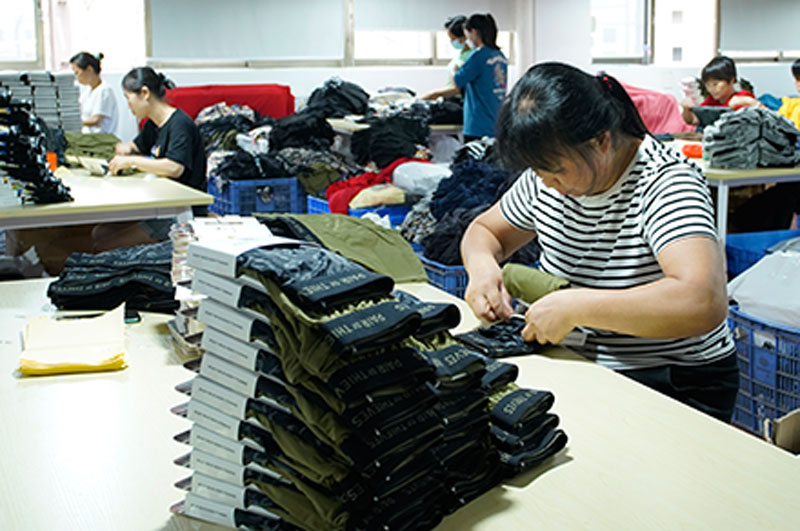
Even where a low minimum is available, it is usually expressed per style and per colour, and the size spread still matters. A small total quantity spread across a wide size range produces very small quantities per size, which reduces cutting efficiency and raises the cost per unit. Narrowing the size range is often the cheapest way to make a small order viable without changing the fabric or the decoration.
Buyers should ask three questions: the minimum per colour, the minimum per size within a colour, and whether mixed sizes count towards a single threshold. Where the answer is that mixed sizes count together, a two-colour launch with a narrow size range is usually the most economical way to test a style. The mechanics behind the thresholds are explained in this guide to clothing factory MOQ for wholesale buyers.
The size question deserves more attention than it usually gets. A small order spread evenly across six sizes produces very small quantities at the extremes, which is inefficient to cut and slow to sell; the same quantity concentrated on the three or four sizes that carry most demand is cheaper to produce and turns over faster. Narrowing the launch range and adding sizes on the reorder is a standard way to make a low minimum work.
How the minimum changes when a new colour or fabric enters a low moq hoodies programme
A new colour is the point at which a low minimum usually stops being low. A colour outside the stocked range requires a dye lot with its own minimum, and on a heavy garment that minimum consumes more material than it would in a light category. It is common for a programme that starts at a small quantity to move onto a much larger one the moment a brand-specific colour is specified.
A new fabric weight carries the same effect plus a structural one. A heavier fleece holds a boxy shape and supports dense decoration, while a lighter one drapes and can affect the hood and rib specification. Where the weight changes, the hood and rib should be reviewed with the block rather than carried over, and where the fibre composition changes the care label text changes with it. The weight and surface options are compared in this comparison of fleece and French terry.
Sampling sequence for low moq hoodies: what the fit sample and the PP sample each lock
The fit sample matters more on a small programme, not less, because the pattern and grade created during sampling are the assets that carry forward to the reorder. The sample locks the body, hood, pocket and rib; the pre-production sample locks the fabric, surface, trims and decoration that bulk will use. On a small order the second approval is often compressed, which is a false economy if the fabric differs from the sampled one.
Both approvals should be documented against references and retained, with a measurement record stating the base size and the tolerance for each critical dimension. Where the sample cost is billed separately rather than credited, it is worth establishing in writing what the brand receives for it, since the pattern and specification are the durable output. The documentation practice is described in this sample approval protocol for wholesale orders.
Decoration and branding on low moq hoodies: print, embroidery, labels, hangtags and packaging
Decoration is where a low minimum most often meets a wall. Screen printing carries a setup per colour per position; embroidery carries a digitising charge per design; a light print on a dark garment adds an underbase and therefore another screen. At a small quantity those fixed elements dominate the unit price, which is why low-volume programmes tend to use methods with lower setup even when another method would look better.
Two choices reduce the burden without reducing quality. Using a single-colour mark at one position keeps the setup to a minimum, and choosing a garment colour that does not require an underbase avoids an additional screen. Where embroidery is used, the digitised file should belong to the brand, because it is the one decoration asset that carries forward to every subsequent order regardless of volume. Material references worth naming include OEKO-TEX Standard 100 for harmful-substance testing and the ASTM standards programme for textiles for describing the properties under test.
QC checkpoints that decide whether a low moq hoodies bulk order ships clean
The checks do not change with volume, but their cost per unit does, which is why small orders often rely on final inspection alone. The checks worth insisting on regardless of quantity are the ones that predict returns: measurements at the base size and the extremes, neck rib recovery, hood and pocket attachment, rib recovery at the cuff and hem, and colour consistency against the approved standard.
Two additions are worth their cost even on a small run. A first-off check before the run continues, because a pattern or placement error repeats on every piece; and a wash test of the pre-production sample at the intended care regime, because shrinkage on a heavy fleece is difficult to correct afterwards. Testing houses publish the scope they apply, as Intertek’s textiles and apparel testing range illustrates. For small consignments moved by air, the handling standards published by the International Air Transport Association are the applicable reference, and the labelling text should follow the destination market, such as the European Commission’s textiles and clothing framework for the EU.
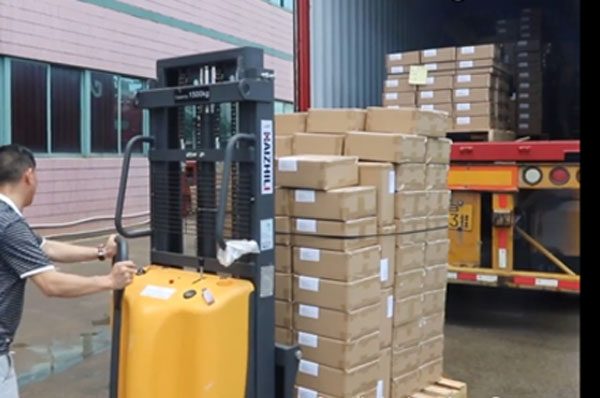
One further check is specific to small programmes: the packing specification should be verified even where the quantity is modest, because a carton plan that only works at volume produces an awkward consignment at low volume. Confirming the fold and the carton count before production costs nothing and prevents a freight surprise on a shipment that cannot absorb one.
Conclusion
A low minimum is a cost structure rather than a discount, and it is made possible by constraining the fabric, the decoration, the price or the sampling. Once a brand wants its own colour, its own pattern and a dense decoration, the order stops behaving like a small one and the minimum rises to match. The practical way to use a low minimum well is to accept a stocked fabric and simple decoration for the first order, put the money into the pattern and the specification, and use the reorder to introduce the colour and the decoration that the style has earned. Buyers who understand which constraint is being applied get a small order that behaves predictably.
FAQ
Why does a low minimum not mean a low unit price?
Because the fixed costs of a hoodie programme do not shrink with the order. Pattern, grading, sampling and decoration setup are incurred once, so a small run spreads them across fewer units. A low minimum reduces the commitment, not the cost per unit.
What usually forces a minimum up?
A brand-specific colour, because a dye lot carries its own minimum and a hoodie consumes more fibre than a light garment. Tooled components such as a branded zipper pull have the same effect, as does dense multi-colour decoration with a setup per position.
How can we test a hoodie style with the smallest commitment?
Use a stocked fleece colour, a narrow size range, and a single-position decoration with low setup. That combination avoids the three costs that scale badly at low volume while still producing a pattern and specification you can reuse.
Should we skip sampling to save money on a small order?
No, because sampling produces the pattern, the grade and the specification that every later order depends on. What can reasonably be reduced is the number of sample rounds, not the specification work that makes a reorder possible.
Next step. If you are planning a small first hoodie order, send the range you have in mind and the decoration you want. The team can confirm which elements are available at a low quantity, what a brand colour would change, and which costs carry forward to the reorder.
