
Viscose is the most affordable route to a soft, drapey garment, and it is also the regenerated cellulosic that needs the most care in specification. The fibre loses strength when it is wet, which makes the wash instruction a functional requirement rather than a formality, and its dimensional behaviour under washing is more pronounced than modal or lyocell. Both facts belong in the brief before the fabric is ordered.
Viscose Clothing Manufacturer: what a buyer has to settle first
Three decisions come before the fabric. The garment and its end use, because viscose suits drape and softness and is a poor choice where the garment has to hold a structure or survive hard wear. The care regime, because the wet behaviour of the fibre determines what the label may instruct and how the garment must be finished. And the claim, if any, since viscose is a regenerated fibre and the fibre naming and any environmental statement follow the destination market’s rules.
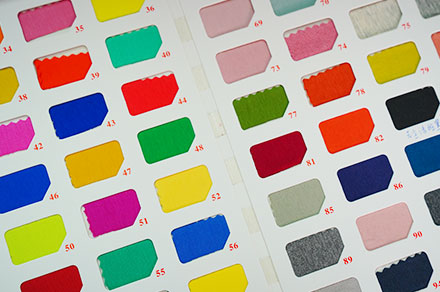
Two further items belong in the brief. The colour range, because each colour outside a stocked range becomes a dye lot with its own minimum. And the finishing, because the same fibre can be finished to feel crisp or soft, and the routine that produces one does not produce the other.
It is also worth naming the destination market alongside the care regime, because the two are connected. A fibre whose wet strength is lower than cotton requires a care instruction that reflects the material, and the wording and symbols used to express it are set by the market rather than chosen by the brand. Establishing both at the brief stage means the label text is designed once rather than corrected after printing.
Fiber properties compared for viscose: hand-feel, durability, cost and end use
Viscose is soft, smooth and highly drapey, which makes it suitable for garments worn against the skin and for styles where movement matters more than structure. Its weakness is that the fibre loses strength when wet, so the garment is more vulnerable during washing than at any other time, and the care instruction reflects that rather than being a precaution.
| Property | How viscose behaves | What to verify |
|---|---|---|
| Hand-feel and drape | Soft and fluid; the most drapey of the common cellulosics | Hand-feel at the agreed weight |
| Strength | Lower than cotton; loses strength when wet | Care instruction and seam behaviour |
| Dimensional stability | Moves more in the wash than modal or lyocell | Shrinkage after the intended care regime |
| Colour retention | Good, though below modal | Colour after repeated care cycles |
| Cost | The most affordable of the common cellulosics | Whether the fibre is stocked or produced to order |
The practical conclusion is that viscose is specified where softness and cost matter and the garment is not expected to survive hard wear. A programme that treats viscose like cotton in the care instruction will generate returns, because the label is describing a garment the customer will damage by following it.

Certification paths relevant to viscose: what GOTS, GRS and OEKO-TEX Standard 100 each cover
The standards answer different questions. GOTS covers certified organic textile content and the processing chain behind it. The Textile Exchange standards programme covers recycled and preferred fibres through the chain of custody. OEKO-TEX Standard 100 covers harmful-substance testing on the material, which concerns safety rather than origin.
For viscose the distinction matters because the raw material is often a wood pulp, and the origin of that pulp is a separate question from the safety of the finished fabric and from the fibre name on the label. A programme that wants to describe the raw material, the safety testing and the fibre name is collecting three separate pieces of evidence rather than one.
Because the fibre is regenerated, the label has to carry the generic fibre name rather than the raw material it was produced from. The naming conventions are set by the destination market: the European Commission’s textiles and clothing framework sets out the EU position, and the US Federal Trade Commission’s business guidance covers the United States. Neither replaces a review of the specific wording being used.
Behaviour in production for viscose: shrinkage, pilling, colour retention and finishing
Production behaviour is where viscose needs the most attention of the common cellulosics. The fibre’s lower wet strength means it has to be handled carefully through wet processing, and its dimensional behaviour after washing is more pronounced than modal or lyocell, which makes the finishing routine and the care instruction part of the same decision. Colour retention is generally good, and surface change depends on the yarn and knit.
Two production settings matter more than the rest. The tension applied during wet processing, because a fibre that weakens when wet can be distorted by handling that a cotton knit would tolerate. And the finishing routine, because that is what sets the final dimensional behaviour and the handle. Both should be confirmed with the mill that will actually produce the fabric rather than assumed from a swatch.
Four checks cover most of the risk: dimensional change after the intended care regime, surface change after wet abrasion, colour retention against the approved standard, and shade consistency between lots. All four should be run on the production fabric and recorded against the specification. The physical test vocabulary is provided by the ASTM standards programme for textiles.
Blend strategy for viscose: where it works alone and where a partner fibre is needed
Blending viscose is the usual way to keep the drape while improving the weaknesses. Cotton adds strength and reduces the drape. A small elastane content improves recovery at waistbands and openings. Polyester adds durability and dimensional stability where the garment has to survive more washing. Modal or lyocell can be substituted or blended where better dimensional behaviour is needed at a higher cost.
The discipline is to blend for a named property and then test it. If the partner fibre exists to improve dimensional stability, the wash test should confirm it. If it exists to improve strength, the seam and abrasion tests should confirm it. A blend introduced for price alone moves the garment away from the drape the customer was buying and complicates the fibre text without adding a benefit that can be verified.
Minimums, lead time and stock versus custom-dyed material for viscose
Minimums are set by the fibre. Viscose is produced to order more often than cotton and is not stocked in every weight, colour or blend, so a colour outside the available range may require a produced lot with its own minimum and lead time. The garment minimum and the size spread sit on top of that.
Buyers should ask the minimum per colour, whether the fibre is stocked or produced against the order, and what the lead time difference is between the two. Where the fibre is produced to order, the colour decision has to be taken before sampling, because the material booking sits on the critical path. The garment-side mechanics are explained in this guide to clothing factory MOQ for wholesale buyers.
Traceability documentation a buyer can audit for viscose
Traceability for viscose has two layers. The first concerns the raw material, which for a certified product is documented through chain of custody records connecting the certified source to the finished fabric, and which for an uncertified product may only be described rather than evidenced. The second concerns the processing route, which determines the generic fibre name that has to appear on the label and should be confirmed in writing.
Two arrangements make the trail usable. The references should be recorded against the approved fabric specification, so a reorder can be substantiated without re-collecting the paperwork. And the buyer should ask to see a specimen document during the enquiry, because a supplier that has to search for its certificates after the goods have shipped is describing a chain that is not systematically documented. Development scope for specifying the material alongside the garment is described in this overview of apparel design and development.
Is 100% viscose expensive?
Less than modal or lyocell, more than a basic cotton.
Viscose sits between cotton and the higher-performance cellulosics on price, and the garment cost also depends on the weight, the finishing and whether the colour is stocked.
The fibre comparison is straightforward: viscose is generally the least expensive of the common regenerated cellulosics, with modal and lyocell above it because of the fibre and the processing. Against cotton it depends on the weight and the market, and on whether the colour is stocked or produced to order, since a produced lot carries a minimum that a stocked fabric does not.
What changes the cost most is not the fibre price but the finishing and the yield. A viscose fabric that requires careful wet processing and a finishing routine to control its dimensional behaviour costs more to make than a basic jersey, which is why two viscose garments at the same weight can differ in price. Buyers comparing quotations should ask which finishing routine is included and what the expected dimensional result is, rather than comparing fibre prices.
Where can I buy viscose fabric online?
Through the manufacturer making the garment, or a mill you can audit.
Viscose is usually sourced through the garment manufacturer rather than as a separate purchase, because the fibre, the knit and the finishing have to work together and a separately bought fabric transfers the inspection duty.
For most brands the practical route is to source the fabric through the manufacturer producing the garment. The finishing routine is what controls the dimensional behaviour of viscose, so a fabric bought separately and sewn elsewhere may behave differently from the sample that was approved. Where a brand has an existing mill relationship and the volume to meet the minimum, buying directly is a legitimate option with its own trade-offs.
Whichever route is taken, the questions are the same: composition and weight with tolerances, whether the fibre is stocked or produced to order, the minimum per colour, and the wash behaviour on the production fabric with the finishing routine that will actually be used. Buyers who ask those four before committing avoid the situation where the delivered garment behaves differently from the approved sample. Knitwear Base runs development through production across its knit categories, so the fibre and finishing decisions sit together.
Conclusion
Viscose is the most affordable route to a soft, drapey garment and the cellulosic that needs the most careful specification. The fibre loses strength when wet and moves more in the wash than modal or lyocell, so the care instruction is a functional requirement and the finishing routine is part of the fabric decision rather than a separate production detail. Buyers who specify the finishing with the fibre, test the wash behaviour on the production fabric and confirm the label text against the destination market get a garment that behaves as the sample did.
FAQ
Why does viscose need a careful wash instruction?
Because the fibre loses strength when wet, which makes the garment more vulnerable during washing than at any other time. The care instruction reflects the material rather than being a precaution, and following it is what keeps the garment intact.
Does viscose shrink more than cotton?
Generally yes, and more than modal or lyocell, which is why the finishing routine and the wash test matter. The result depends on the knit structure and the finishing as well as the fibre, so the test should be run on the production fabric.
Is viscose cheaper than modal?
Usually yes. Viscose is generally the least expensive of the common regenerated cellulosics, with modal and lyocell above it because of the fibre and the processing. Cost also depends on the weight, the finishing and whether the colour is stocked.
What has to appear on the care label?
The fibre composition by its regulated generic name and the care instruction for the fabric delivered. The naming conventions are set by the destination market, so the text should be confirmed for each market before the label order is placed.
Next step. If you are developing a viscose range, send the garment, the finishing effect you want and the care regime the market uses. The team can confirm how the fabric would be specified, what the label text has to state, and where the minimums sit per colour.
