

Zip-up hoodies show a wavy zip placket after washing. What causes it?
A zip tape barely shrinks, while knit fleece can. When the two change differently in washing, the placket ripples. Test both and control how the zip is sewn.
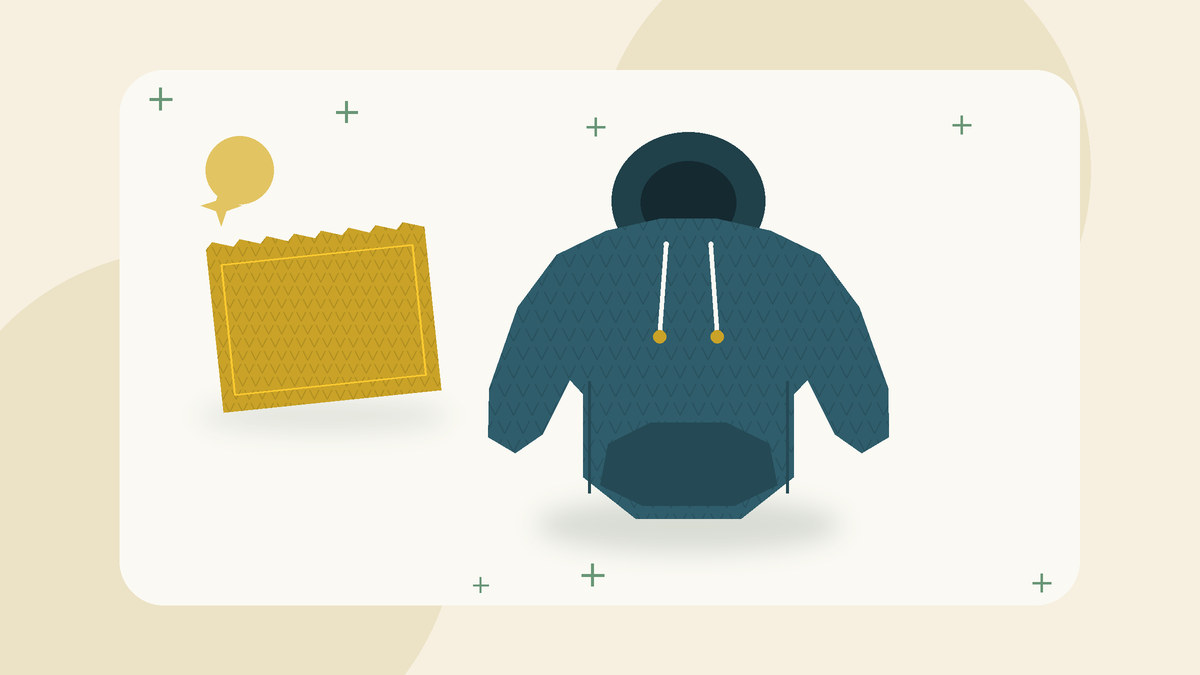
Our full-zip fleece hoodies look fine new, but after the first wash the zip placket goes wavy and the front no longer hangs straight. The factory blames the customer's dryer. What is actually going on?
Main answer
A wavy zip after washing is a common mismatch between two materials. The zip tape and the knit body fabric respond differently to laundering. If the fleece shrinks in length and the tape does not, or the reverse, the fabric bunches along the tape and the placket ripples. Sewing tension and how the zip was set can add to it. A hot dryer can make shrinkage worse, but if the label allows tumble drying, the garment should tolerate it.
Measure the fabric's dimensional change
Wash and dry body fabric and garments under a named procedure such as ISO 6330, or measure garments with AATCC TM150, using the care conditions on your label. Record length shrinkage along the centre front specifically. If the fleece shrinks more in length than the tape, the placket will gather after washing.
Check the zip tape
Ask for the zip specification: tape material and whether it has been pre-shrunk or heat-set by the zip supplier. Wash a length of tape with the fabric specimens and measure it. A tape that changes very little will need a body fabric that is similarly stable, or a pattern allowance that accounts for the difference.
Check the sewing
If the operator stretches the fabric or the tape while setting the zip, the placket can look wavy even before washing, and washing makes it obvious. Ask the factory how the zip is set: stitch type, whether a guide or folder is used, and whether the fabric is stabilised along the placket. Compare new and washed garments from different sewing lines to see whether the problem follows a line.
Specify the fix
Depending on what you find, the fix may be a more stable or pre-shrunk fleece, a placket stabilising tape, a change in how the zip is set, or a combination. Approve a washed sample, not only a new one, and set a maximum length shrinkage at the centre front, tied to the named method. Make sure the care label, including ISO 3758 symbols if used, reflects drying conditions the garment passes.
Then the next order can be checked for the specific dimension that caused the waving, instead of relying on how the hoodie looks on the hanger.
Sources and further reading
- ISO 6330:2021 — Domestic washing and drying procedures for textile testing
- AATCC — Changes in the 2026 Manual (TM150, TM179, TM207 revisions)
- ISO 3758:2023 — Care labelling code using symbols
Standards and rules are summarised from their published scope or official guidance. Use the current edition and confirm requirements for your market.
Three perspectives on this question
Purchasing perspective
I'd ask the zip supplier for its tape specification and whether it is pre-shrunk. If the factory buys zips locally per order, I'd nominate a supplier and part number so the tape stays the same.
Merchandising perspective
A straight zip is essential to how a full-zip hoodie looks on the hanger and in photos. I'd add a washed front photo to the approval pack and check it before signing off colours.
QC perspective
We'd measure centre-front length before and after an agreed wash on first bulk, alongside the zip tape. If shrinkage differs between colours, the dyed fabric lots are behaving differently and need separate checks.
Working on a similar program?Send your tech pack, fabric references and test requirements. We reply with a quote and the questions we need answered.
Contact Knitwear BaseRelated products
Related articles
- Sustainable Hoodies in Bulk: Recycled Fleece and What to Verify
- Sustainable Hoodie Manufacturer: Recycled Fleece, Claims and the Paperwork Behind Them
- Zip Up Hoodie Manufacturer: Zipper Grade, Puller Options and Panel Alignment
- Custom Hoodie Manufacturer: What to Confirm Before You Send a Tech Pack
- Wholesale Knit Underwear: Buying Briefs, Trunks, and Boxers in Bulk
- Checking Knitwear Before Bulk: Stitches, Seams, and Shape Retention
- Fleece or French Terry: Matching the Hoodie Fabric to Your Market
- Wholesale Hoodie Factory Selection: A Buyer's Checklist for Bulk Orders
- Hoodie Fabrics for Wholesale: Fleece, French Terry, Brushed, and Heavyweight
- Pullover vs Zip-Up Hoodies: Building the Wholesale Assortment
