

After washing, the side seams on our tees twist toward the front. What causes it?
Twisted side seams usually start in the fabric: single jersey tends to spiral. Measure skew after washing, control it at the mill, and check how panels are cut.
Our single jersey tees look fine new, but after a wash the side seams move around toward the front of the body, sometimes by several centimetres at the hem. The factory says it is normal for jersey. Is it, and what can we do?
Main answer
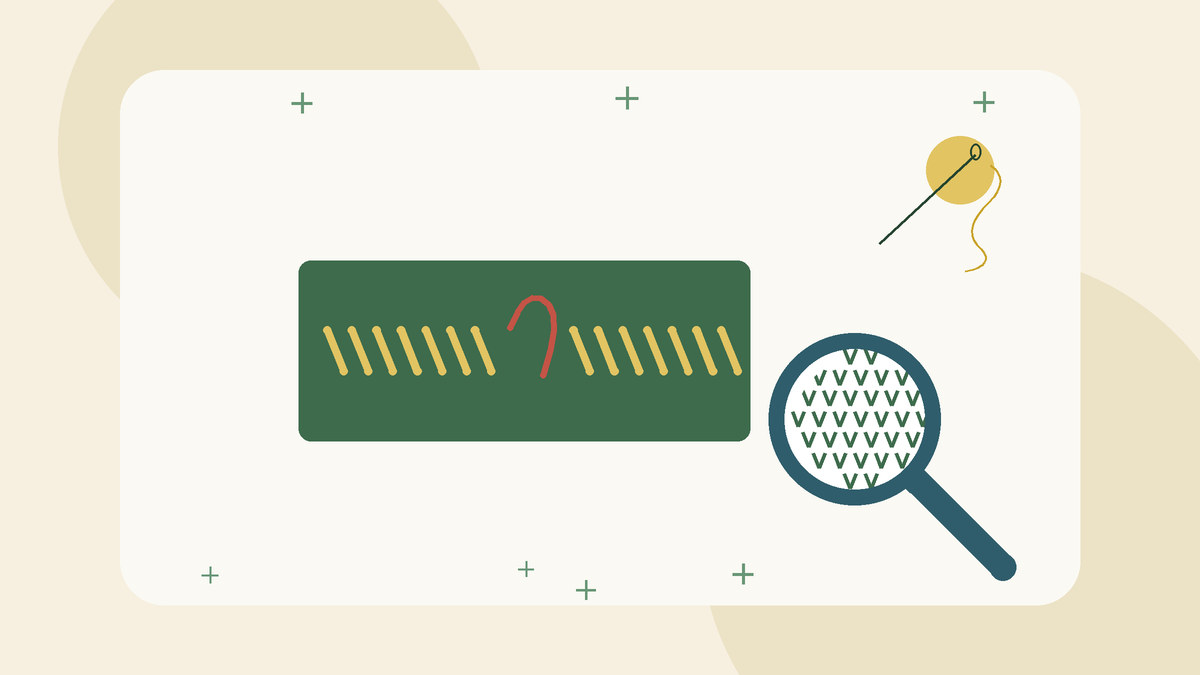
Side seams that twist after washing are a common single jersey problem. The fabric is knitted in a tube, and the yarn twist and the knitting structure can make the loops lean, which is called spirality. If the fabric is finished in a way that holds it straight temporarily, washing releases it and the panels skew. Because the side seams are sewn along the cut panels, they follow the fabric and move around the body.
Measure skew after washing
AATCC TM179 measures skew change in fabrics and garments after home laundering. ASTM D3882 covers measuring bow and skew in woven and knitted fabrics. Ask the mill and the factory to use one named method and to report results after washing, not only on the fabric roll. A fabric that looks straight on the cutting table can still twist badly after the first wash.
Where it can be controlled
At the mill, spirality can be reduced through yarn choice, including yarn twist, knitting settings and finishing that sets the fabric properly rather than just straightening it. Some buyers use open-width finishing for this reason. At the factory, cutting matters too. Panels should be cut along the true direction of the courses and wales, and spreading tension should not distort the fabric before cutting.
What to specify
Set a maximum skew after washing, tied to the named method, the wash procedure such as ISO 6330, and the number of cycles. Include it in fabric approval and in the pre-production sample check. If the tee has a printed or embroidered front, also check that the graphic stays centred after washing, since twisting can pull it off-centre.
Some side-seam movement may be acceptable for a relaxed style, but it should be a measured, agreed amount rather than whatever the fabric happens to do. Tubular tees without side seams can still twist; the twist just shows in the hem and the print position instead.
Keep the washed reference tees from approval as a visual standard alongside the measured result. Record the skew figure by fabric lot, so a change in yarn supplier or finishing route shows up as a number rather than as customer complaints months later.
Sources and further reading
- AATCC TM179 — Skew Change in Fabrics After Home Laundering
- ASTM D3882 — Bow and Skew in Woven and Knitted Fabrics
- ISO 6330:2021 — Domestic washing and drying procedures for textile testing
Standards and rules are summarised from their published scope or official guidance. Use the current edition and confirm requirements for your market.
Three perspectives on this question
Purchasing perspective
I'd ask the mill which finishing route is quoted, because a cheaper finish can save money on the roll and cost far more in returns.
Merchandising perspective
Twisted seams show clearly in customer photos. I'd include a washed, flat-laid tee in the approval photos so the team signs off on the washed look.
QC perspective
We'd measure skew on washed garments from each bulk fabric lot. If one lot twists more than the approved sample, we'd stop cutting from it.
Working on a similar program?Send your tech pack, fabric references and test requirements. We reply with a quote and the questions we need answered.
Contact Knitwear BaseRelated products

Related articles
- Private Label Activewear Manufacturer: Components, Performance Fabric and Seam Choice
- Sportswear Manufacturer China: Performance Fabric, Programme Type and Seam Choice
- Apparel Fabric Sourcing China: Fabric Selection, MOQ and Mill Lead Time
- Bamboo Fabric Clothing Manufacturer: Processing Route, Stability and Labelling
- Loungewear Manufacturer China: Sets, Seasonal Fabric and Grading Decisions
- Custom Printed T Shirt Manufacturer: Artwork Files, Placement and Wash Durability
- T-Shirt Manufacturer China: A GSM and Fabric-Cost Benchmark by Weight Class
- Wholesale Undershirts: Fabric, Weight, and Pack Quantity Decisions
- Checking Knitwear Before Bulk: Stitches, Seams, and Shape Retention
- Cashmere Quality Parameters: Micron, Ply, Twist, and GSM Explained
