

Crew neck, V-neck or scoop: how do we specify neckline width, depth and rib height on a tee?
Name each neckline measurement, say where it starts, grade it by size, and check the neck opening and rib after washing so the shape stays as approved.
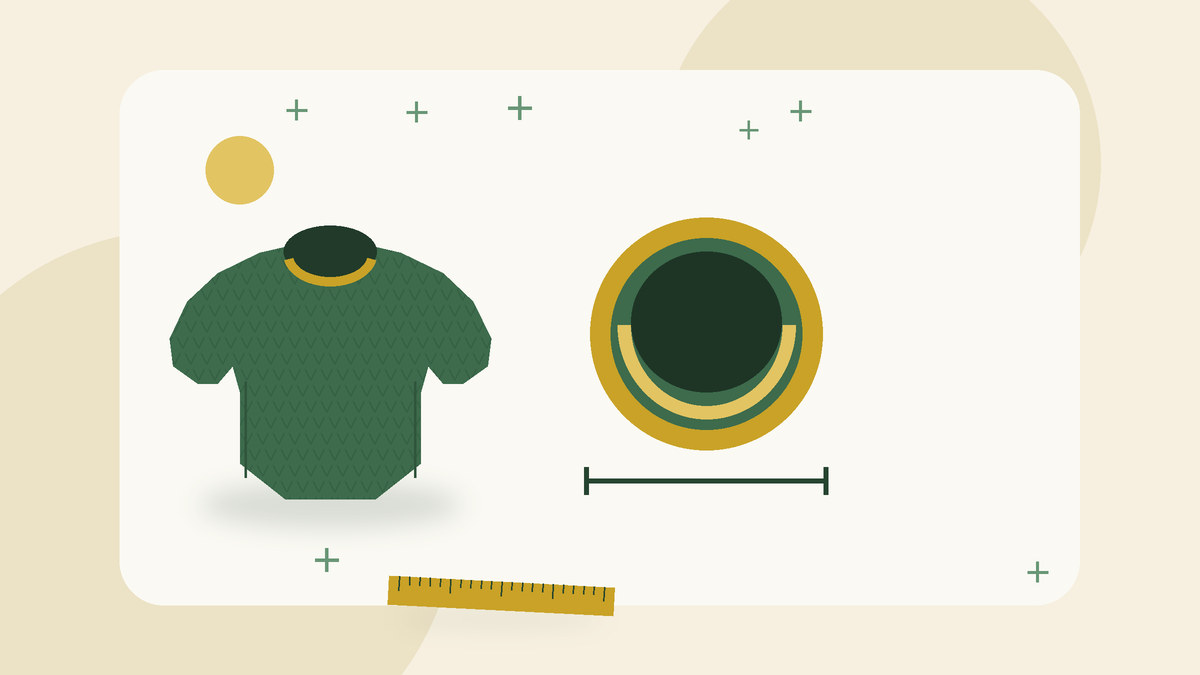
We are adding a scoop neck and a V-neck to our crew-neck tee range. The factory asks for neckline measurements, and we are not sure which ones to give or how they change from size to size.
Main answer
A neckline looks like one decision, but a factory needs several numbers to cut it. Crew, V-neck and scoop styles differ in shape, depth and where the rib sits, and a small change in any of them changes how the tee looks on the body. Write the measurements down for every size instead of sending a photo.
The points to measure
For each style, give neck width seam to seam, front drop from the neck-shoulder point to the base of the neck seam, back drop, and finished rib height. For a V-neck, add the depth of the V and the position of the point. For a scoop, describe the curve with a sketch or a template shape, because the same width and drop can produce different curves. State where each measurement starts and ends.
What is different between the three
A crew neck sits high and round, and its main risk is a neck opening that grows or flares. A V-neck needs a clean point and a neckband that lies flat at the join. A scoop is wider and lower, so it exposes more of the shoulder line and needs the shoulder seam to stay in place. Check how each style looks on a body, with and without an undershirt.
Grade by size
Neck width and drop usually change by a step between sizes, but not always in proportion to the chest. Ask the factory for the grade rules and compare the smallest, middle and largest size. A neckline that is right on a medium can look tight or too open on a small or extra large.
After washing
Wash finished samples with a named procedure such as ISO 6330, then re-measure neck width, drop and rib height. Compare with the approved sample. Check dimensional change with ISO 5077 where useful, and look for neck rib that grows, ripples or flares. Heavier fabric tends to hold a neckline better, so check weight with ASTM D3776 for each lot.
What to approve
Approve a measured, washed sample for each neckline, keep the sketch with the tech pack, and record the tolerance you will accept at inspection.
Sources and further reading
- ISO 6330:2021 — Domestic washing and drying procedures for textile testing
- ISO 5077:2007 — Textiles: determination of dimensional change in washing and drying
- ASTM D3776/D3776M — Mass per Unit Area (Weight) of Fabric
Standards and rules are summarised from their published scope or official guidance. Use the current edition and confirm requirements for your market.
Three perspectives on this question
Purchasing perspective
I'd send one neckline sketch per style with every measurement named, and ask the factory to confirm the numbers by size.
Merchandising perspective
The neckline is what people see first, so I'd check the smallest and largest sizes on a form before approving the range.
QC perspective
We'd measure neck width, drop and rib height on sampled pieces, wash a few, and compare them with the approved sample.
Working on a similar program?Send your tech pack, fabric references and test requirements. We reply with a quote and the questions we need answered.
Contact Knitwear BaseRelated products
Related articles
- Oversized T Shirt Manufacturer: Drop Shoulder, Body Width and Fit-Block Changes
- Pullover Hoodie Manufacturer: Hood Shape, Neck Rib and Pocket Specification
- Oversized Hoodie Manufacturer: Drop Shoulder, Body Width and Fit-Block Changes
- Wholesale Blank T Shirt Supplier: Stock Depth, Lot Consistency and Decoration Fit
- How can I find a reliable crew neck sweater manufacturer?
- Garment Manufacturer China: How Factory Size and Structure Change What You Actually Get
- Wholesale Activewear Supplier: Pack-Out, Size Ratios and Performance Specifications
- Wholesale Hoodies Supplier: Pack-Out, Size Ratios and Reorder Planning
- Custom Embroidered T Shirt Manufacturer: Digitising, Stitch Counts and Placement Tolerance
- Custom Printed T Shirt Manufacturer: Artwork Files, Placement and Wash Durability
