
A quotation is only as valid as the pack it was priced from. Where the pack is incomplete, the factory fills the gaps with assumptions, and an assumption is not a specification: it is a decision transferred to whoever is cheapest at making it. The cost of a complete tech pack is a few hours of writing; the cost of an incomplete one is a second quotation after the first order.
Why an incomplete tech pack produces an unusable quote
An incomplete tech pack forces the factory to assume construction, fabric, tolerance and decoration, and each assumption becomes a place where the price is really a placeholder. A quote is only comparable once those four are fixed.
Four assumptions account for most of the drift between an initial quote and a final invoice. The construction, because a garment can be assembled more than one way and the methods differ in labour. The fabric, because composition, weight and finish change both the material cost and the behaviour. The measurement tolerance, because a tight tolerance requires more in-line checking and more rework. And the decoration, because a print has a position count, a colour count and a setup that a description does not imply.
An incomplete pack also removes the buyer’s ability to compare. Two quotations priced from two different sets of assumptions cannot be ranked, which means the buyer chooses on the price rather than on the product. The first step towards a comparable quote is therefore not a supplier question at all; it is a document.
Required inputs: sketches, measurements and construction notes
The design section needs three things and no more to be usable. A drawing that shows the garment from the front, the back and any detail view that matters, drawn to the intended proportions rather than as a mood rendering. A measurement table for the base size with the critical dimensions named. And construction notes that name the method at the points that matter, rather than describing the appearance of those points.
Construction notes are the section most often thin, and they are the one that decides the labour content. Naming the seam type at the shoulders and the side seams, the hem method, the neckline treatment and any attachment method for components converts a drawing into work that can be timed. A note that says the neckline should be “clean and stable” describes an outcome, not a method, and the factory will choose the cheapest method that produces it.
Where the buyer does not know the method, the pack is still better for saying so explicitly and asking the factory to propose one, because a proposal can be assessed and an unstated assumption cannot. The design decisions that have to be settled before a pack is written are described in this overview of apparel design and development.
| Section | What must be in it | What is not enough |
|---|---|---|
| Design | Front, back and detail drawings at intended proportion | A mood board or a photograph of another brand |
| Measurement | Base size chart with named critical dimensions | A size chart with no tolerances or base size |
| Construction | Seam and finishing methods at the points that matter | An outcome described in adjectives |
| Fabric and trim | Composition, weight, structure, colour reference, trim list | Fabric name alone, or a swatch with no specification |
| Decoration | Artwork files, method, position and dimensions | A logo image with no placement measurement |
| Commercial | Quantity, delivery window and destination | A target price with no quantity |
Fabric and trim specification: composition, weight and colour references
The fabric section has to be numeric enough for a mill to run against. Composition with a tolerance, weight in grams per square metre, the structure, the finish and the width. A colour reference that a dyer can match, which means a physical standard or a defined colour system rather than a name; the reference for the physical properties at stake, including weight and shrinkage, is published in the ASTM standards programme for textiles.
The trim list is the section that most often arrives as a hope. Every component should be named with a material and a performance requirement: the label materials and their positions, the thread and its type, the elastic or ribbing and its recovery expectation, the zip or closure and its load, the interlining and where it is fused. Each item that goes unspecified becomes a substitution opportunity, and a substituted component is a different garment even when it looks the same in a photograph.
Where a claim will appear on the label, the evidence behind it belongs in this section rather than after the order, because the test has to name the material being used. OEKO-TEX Standard 100 names the article classes its certificate covers, and a laboratory publishes the scope it applies, as Intertek’s textiles and apparel testing range illustrates.
Size grading and measurement tolerances
Grading is the increment between sizes and the direction it moves, and it has to be in the pack before the quote rather than after the sample. Where the buyer supplies the grade, the factory executes it; where the buyer does not, the factory applies its own block, which may be entirely reasonable and will not be the buyer’s fit.
Tolerances belong with the chart rather than in the correspondence. A measurement table without tolerances turns every inspection into a debate, and it also prevents a fair quotation, because a factory pricing a tight tolerance has to allow for more checking and more rework than one pricing a loose one. Stating the tolerance as a value with a direction, at the base size and at the extremes, is what makes the requirement costable.
One decision is worth making explicitly in this section: whether the size range is fixed or expected to extend. Where a range may grow, the grade should be specified so that it can be extended without re-cutting the block, which is a design decision rather than a production one and belongs in the pack.
Placement files for print and embroidery
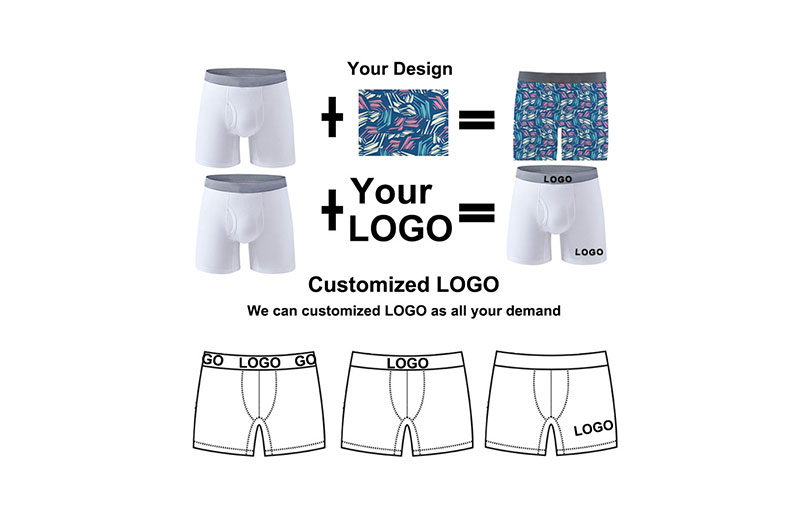
Decoration inputs are technical rather than visual, and the technical detail is what the price depends on. The method, because a screen print, a transfer, a direct print and an embroidery have different costs and different durability. The number of positions and the number of colours, because both drive setup. And the placement, measured from a seam or a reference point rather than described as centred, because a placement that is only described will be interpreted.
The artwork files themselves have requirements. Screen printing and transfers need vector source files so that the printer can separate colours and produce the screens; a raster file can work for direct printing where no separation is required. A photograph of a finished logo is not an artwork file, because it forces the printer to reconstruct the design, which introduces drift between runs.
Where the artwork is licensed or commissioned, the pack should identify who owns it and where the original files live, since a design that exists only in a printer’s system is difficult to move. The framework for registering a distinctive design is published by the World Intellectual Property Organization, and it is easier to use before the design appears on a retail listing of your own.
Labelling, packaging and compliance text
The compliance section names the market of sale and therefore the requirement that applies, because the text on a label is set by where the goods are sold rather than by where they are made. For the European Union, textile fibre names and composition are governed within the European Commission’s textiles and clothing framework; for the United States, fibre content, origin and care information are addressed through the Federal Trade Commission’s business guidance.
The pack should therefore include the label set with exact wording, the position of each label, the attachment method, the packaging configuration with carton dimensions and units per carton, and any barcode or retail requirement from the sales channel. Each of those has a lead time, and each has a version count that multiplies a minimum, which is why specifying them before the quote is cheaper than specifying them during production. The documents that have to travel with an imported consignment are covered in this guide to labels, duties and documentation for wholesale clothing imports.
Target quantity, delivery window and destination
The commercial section has three inputs and they are as important as the drawing. Quantity per style, per colour and per size, because the minimum is expressed against those units rather than against the order total. The delivery window with a date, because a lead time quoted against a duration hides which stages are on the critical path. And the destination market, because it determines the labelling requirement, the freight mode and the documentation.
Two further inputs are often omitted and are worth including. Any target price range, clearly labelled as a target rather than a requirement, because it lets the factory propose an alternative fabric or construction rather than declining. And the term the price should be quoted on, since a price without a delivery term cannot be compared with another quotation, and the ICC Incoterms rules define what each term includes.
The minimum viable tech pack for a first quote
A first quotation does not need a full production pack. It needs enough for the factory to time the labour and price the material, which is a shorter document than most buyers expect: a proportioned drawing with the critical dimensions, a base-size measurement chart with tolerances, construction notes at the points that carry load, a fabric specification that a mill could run, a trim list with materials, a decoration brief with positions and colours, the label set with the market of sale, and the quantity with a delivery window.
Where any of those is genuinely undecided, the honest approach is to label it as open and ask the factory to propose a solution. A pack with three open questions and a request for proposals is more useful than a pack with three unstated assumptions, because the proposals can be compared and the assumptions cannot. Where the buyer wants the quote to be firm rather than indicative, the open items have to be closed first.
What to send later, and what the factory should never guess
Some inputs are legitimately later. The precise shade standard can follow if the colour family is named and the approval process is agreed. The packaging artwork can follow if the configuration is fixed. The final size ratio can follow if the size range and the grade are set. Each of those can be completed before cutting without reopening the price, because none of them changes the labour content or the material.
Four inputs should never be left to the factory, because each one changes the product rather than the paperwork. The construction method, since a substitution changes function and durability. The measurement tolerance, since it determines the fit the customer receives. The fibre composition, since it drives the labelling and the claims. And the decoration method, since a print replaced by a transfer is a different product with a different life. Where a factory proposes a change to any of those four, the proposal is worth considering and should be answered explicitly rather than accepted by silence.
One structural habit makes the whole pack work: version it. A tech pack with a version number and a date tells the factory which document governs, and it tells the buyer which document the quote was priced from. Where a pack is revised, the revision should be re-issued rather than described in a message, because the message will not be in the factory’s file when the order runs.
Conclusion
A valid quote rests on a pack that fixes construction, fabric, tolerance and decoration, because those four are where the assumptions live and where the price moves. The minimum viable pack is shorter than most buyers expect: drawings, a base-size chart with tolerances, construction notes, a numeric fabric specification, a trim list, a decoration brief, a label set for the market of sale, and a quantity with a date. Send what you know, label what is open, and never leave the four product-defining decisions to be inferred.
FAQ
What is the minimum needed for a first quote?
A proportioned drawing, a base-size measurement chart with tolerances, construction notes at the load-bearing points, a numeric fabric specification, a trim list, a decoration brief with positions, a label set for the target market, and a quantity with a delivery window.
Can a factory quote from a photograph of another brand’s product?
It can produce a number, and the number describes a garment that has not been specified. The construction, fabric, tolerance and decoration will be assumed, so the quote is a placeholder rather than a price for your product.
Which parts of the pack can wait?
The exact shade standard, the packaging artwork and the final size ratio can follow, provided the colour family, the configuration and the size range are fixed. None of those changes the labour content or the material, so they do not reopen the price.
What should never be left to the factory to infer?
The construction method, the measurement tolerance, the fibre composition and the decoration method. Each changes the product rather than the paperwork, so a proposal to change one is worth considering explicitly and never worth accepting by silence.
Next step. If you want a quote that can be compared, send the pack as far as it is written. The team can confirm which sections are complete, which items would change the price if revised, and what a factory would otherwise assume.
