

We want to call our gym tank "quick-dry". Which test supports that claim?
A drying claim needs a drying test, and a comparison point. Choose the method, test against a reference, and word the claim to match the result.
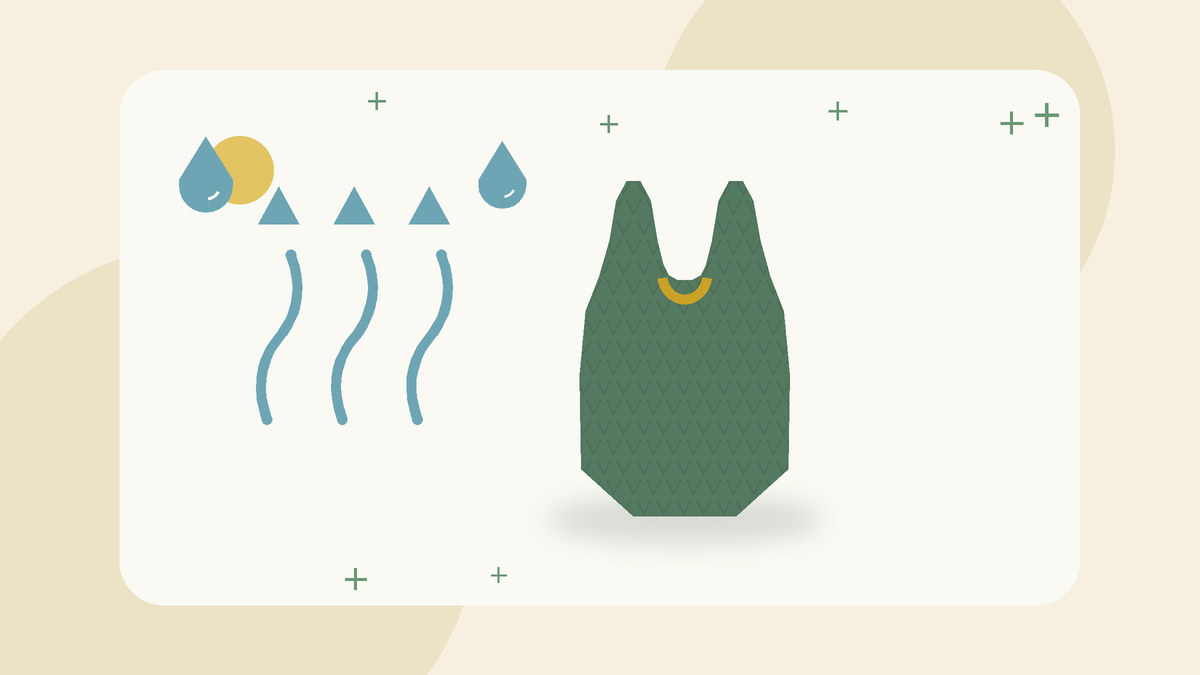
We are launching a polyester gym tank and marketing wants to call it "quick-dry". The factory says the fabric is "quick-dry fabric" but has no report. What evidence do we need before using the claim?
Main answer
You need a drying-rate test result, ideally compared with a reference fabric, before the claim goes on the product. "Quick" is a comparative word: quicker than what? A supplier's description of the fabric is a starting point, not evidence.
Choose a drying method
AATCC publishes several methods for moisture management. TM199 measures drying time with a moisture analyzer, TM200 measures drying rate at absorbent capacity using air flow, and TM201 measures drying rate on a heated plate. They measure under different conditions, so results from one method should not be compared with another. Pick one with your laboratory, based on how you want to describe the product, and use it consistently.
Compare against something meaningful
A single drying number tells customers very little. A more useful basis is a comparison under the same method, for example your tank fabric against a standard cotton jersey of similar weight, or against your previous tank. Then the claim can say what it is quicker than. Keep the comparison fabric's details with the report so the claim can be checked later.
Test it washed as well as new
If the fabric's performance depends on a finish, it may change with laundering. Test new fabric and fabric after an agreed number of cycles under a named procedure such as ISO 6330. If the washed result no longer supports the claim, tone the claim down or change the fabric.
Word the claim to match the result
Wording such as "dries faster than standard cotton jersey in laboratory testing" stays closer to the evidence than an unqualified "quick-dry". If your markets have advertising substantiation rules, the test report is the evidence you will need to show, so file it with the product records.
In short: pick one drying method, test against a stated reference, test after washing, and write the claim to fit what you found.
Also think about the rest of the garment. Heavy printed areas, thick bindings or bonded seams can dry more slowly than the base fabric. If the claim is made about the garment rather than the fabric, test a garment panel that includes those features, or keep the claim explicitly about the fabric.
Sources and further reading
- AATCC — Moisture management methods (TM195, TM197, TM201, TM213)
- ISO 6330:2021 — Domestic washing and drying procedures for textile testing
Standards and rules are summarised from their published scope or official guidance. Use the current edition and confirm requirements for your market.
Three perspectives on this question
Purchasing perspective
I'd ask the mill whether it already has drying-rate data on this fabric under a named AATCC method. If it does, I'd ask for the full report rather than a summary line, and I'd book our own confirmation test on bulk.
Merchandising perspective
Copy writers like short claims. I'd agree the exact wording with them before the test is booked, so the lab tests what we actually plan to say, and the comparison fabric matches the claim.
QC perspective
We'd send specimens from the bulk lot, new and washed, using the same method and lab as development. If results drop, we flag it before the hangtags are printed, while changing the wording is still cheap.
Working on a similar program?Send your tech pack, fabric references and test requirements. We reply with a quote and the questions we need answered.
Contact Knitwear BaseRelated products
Related articles
- Private Label Activewear Manufacturer: Components, Performance Fabric and Seam Choice
- Tank Tops Wholesale: Gym Basics and Performance Vests
- Top Clothing Manufacturers in China: How to Read a Factory Profile and Verify Every Claim
- Apparel Fabric Sourcing China: Fabric Selection, MOQ and Mill Lead Time
- Questions to Ask a Clothing Manufacturer: The Questions and the Answers That Actually Matter
- Recycled Nylon Activewear Manufacturer: Recovery, Premium and Documentation
- Bamboo Fabric Clothing Manufacturer: Processing Route, Stability and Labelling
- Organic Cotton Clothing Manufacturer: Certification Path, Premium and Claim Rules
- Low MOQ Activewear Manufacturer: What a Small Performance Order Really Costs
- Sustainable Activewear Manufacturer: Recycled Fabrics, Claims and Performance
