

How should we specify a drop-shoulder tee: shoulder drop, sleeve length and body width by size?
A drop shoulder changes where sleeves and armholes are measured. Define each point of measure, grade it by size, and approve a washed sample so the fit matches the picture.
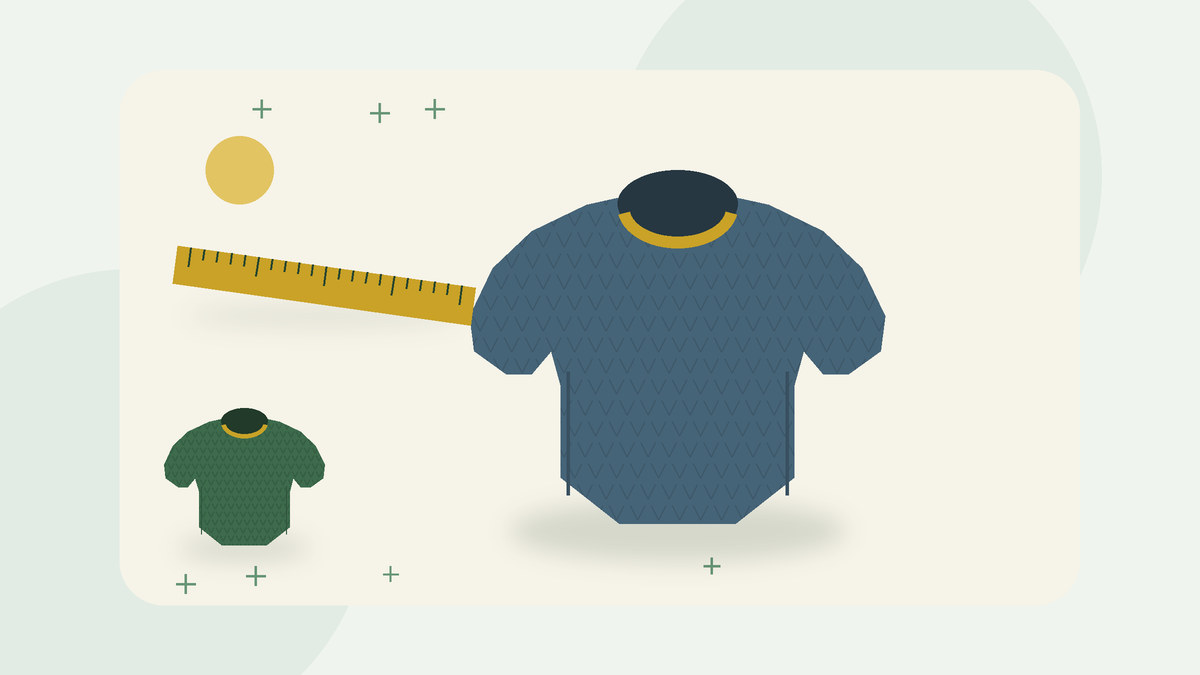
We want an oversized drop-shoulder tee. Our factory sent a sample, but the sleeve looks too long on some sizes and the shoulder seam sits in different places. How should we write the spec?
Main answer
In a drop-shoulder tee the shoulder seam sits down on the upper arm instead of at the edge of the shoulder. The sleeve is shorter and wider, the armhole is deeper, and the body is usually boxy. The style looks simple, but every measurement that depends on the shoulder point changes, so the spec has to be explicit.
Define the points of measure
Write down where each measurement starts and ends. Shoulder drop is the distance from the neck-shoulder point to the shoulder seam, so say which reference you use. Sleeve length can be measured from the shoulder seam or from the neck point, and the two methods give very different numbers on a drop-shoulder tee. Add chest or body width, body length, armhole depth and sleeve opening. Attach a sketch showing each line.
Grade by size, not by percentage
Drop-shoulder styles are often cut oversized, but the proportions still need grading. If body width grows by a set step between sizes while shoulder drop and sleeve length stay fixed, small sizes look swamped and large sizes look short in the sleeve. Ask the factory for the grade rules and compare the smallest, middle and largest size on a body or form, not just on a table.
Fabric weight and drape
A boxy tee relies on fabric that holds its shape. Check weight with ASTM D3776 and compare it against the approved sample, because a lighter fabric can collapse at the shoulder and a heavier one can hang stiffly. Note the knit direction on the sleeve and body so the lines run straight.
After washing
Wash finished samples with a named procedure such as ISO 6330, then re-measure body width, body length, sleeve length and shoulder drop. Dimensional change can be measured with ISO 5077, and twist after laundering with AATCC TM179. A tee that grows in width or shortens in length can lose the proportions you designed.
What to approve
Approve a pre-production sample in at least two sizes, with a measured spec sheet, a washed measurement record and the final grade rules. Keep the washed approved sample as the reference for bulk.
Ask the factory to mark the shoulder seam position on a flat sketch of the approved sample and photograph the sample on a form from the front and side. Photos taken the same way for bulk make later comparison easier, and they settle disagreements quickly if a lot arrives with a different shoulder line.
Sources and further reading
- ISO 6330:2021 — Domestic washing and drying procedures for textile testing
- ISO 5077:2007 — Textiles: determination of dimensional change in washing and drying
- AATCC TM179 — Skew Change in Fabrics After Home Laundering
- ASTM D3776/D3776M — Mass per Unit Area (Weight) of Fabric
Standards and rules are summarised from their published scope or official guidance. Use the current edition and confirm requirements for your market.
Three perspectives on this question
Purchasing perspective
I'd ask the factory to confirm in writing which reference point each measurement starts from, since the same number can mean different things.
Merchandising perspective
The silhouette is the product, so I'd want the shoulder drop and sleeve length checked on the smallest and largest size, not only the sample size.
QC perspective
We'd measure the washed sample against the spec for body width, length and sleeve and flag any shoulder seam that sits in a different place from the approved piece.
Working on a similar program?Send your tech pack, fabric references and test requirements. We reply with a quote and the questions we need answered.
Contact Knitwear BaseRelated products
Related articles
- Oversized T Shirt Manufacturer: Drop Shoulder, Body Width and Fit-Block Changes
- Oversized Hoodie Manufacturer: Drop Shoulder, Body Width and Fit-Block Changes
- Custom T Shirt Manufacturer: What to Confirm Before You Send a Tech Pack
- T-Shirt Manufacturer China: A GSM and Fabric-Cost Benchmark by Weight Class
- OEM vs ODM Clothing Manufacturing: What the Difference Actually Changes in Your Tech Pack
- Wholesale Undershirts: Fabric, Weight, and Pack Quantity Decisions
- Custom Apparel Manufacturer: Tech Pack Inputs Required Before a Quote Is Valid
- Wholesale Activewear Supplier: Pack-Out, Size Ratios and Performance Specifications
- Wholesale Hoodies Supplier: Pack-Out, Size Ratios and Reorder Planning
- Custom Hoodie Manufacturer: What to Confirm Before You Send a Tech Pack
