

Should we ask the factory to inspect knit fabric rolls with a four-point system before cutting?
A four-point system scores defects on each roll by length, so you can accept, reject or sort fabric before it is cut. It is cheaper to find holes and streaks on the roll than in finished garments.
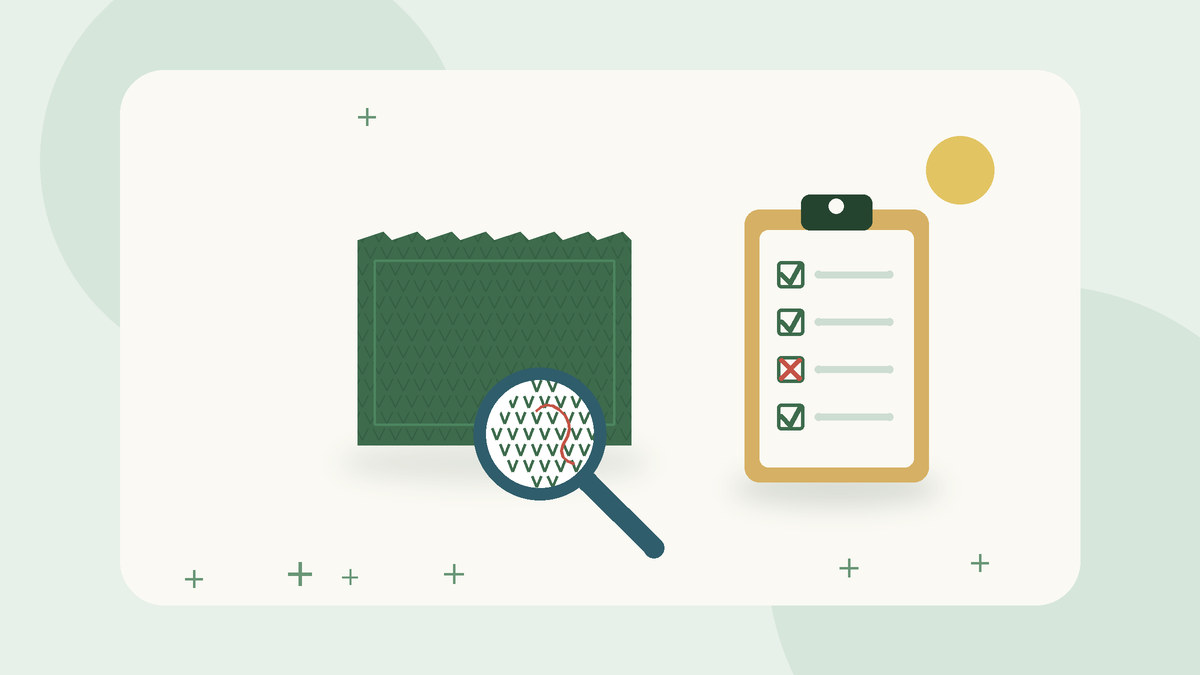
Our last order had fabric holes, streaks and shade bands that only appeared at final inspection, after cutting and sewing. The factory says fabric was checked. How do we make fabric checking real?
Main answer
Fabric faults that are found after cutting are expensive: the cut pieces are wasted and replacements may not match. A fabric inspection before cutting catches holes, streaks, thick and thin places, stains and shade changes while the roll can still be sorted or returned. ASTM D5430 covers visual inspection and grading of fabrics, including the four-point penalty system that many buyers and mills use.
How four-point scoring works
Each defect found on the roll receives points according to its length, from one point for a small defect up to four points for a long one, as set out in the standard. The points are added up and compared with the length of fabric inspected, so roll quality can be expressed as points per length. Check the current edition for the exact scoring rules and for how large holes are handled.
Agree the rules first
The system gives a score, not a decision. Agree in writing the maximum score per roll and per lot, how rolls above the limit are handled (returned, downgraded or used only for small pieces), and what share of rolls is inspected. Also agree how shade variation and width are checked, since the four-point system looks at visible defects.
What to look at on knit rolls
Hold the fabric over a lit inspection table at a steady speed and look for holes, needle lines, drop stitches, streaks, barré, oil marks and thick or thin places. Roll quality is only one part; also check width, weight with ASTM D3776, and compare shade between rolls at the start, middle and end. Record roll numbers, so problems can be traced.
Link it to garment inspection
Fabric inspection reduces garment defects but does not replace final inspection. Your final inspection sampling under ISO 2859-1 still checks garments, while the fabric check removes a major source of faults before they enter production.
Practical points
Ask for the inspection records and a few photos with the roll numbers before cutting starts. Make sure cutters know to mark and avoid flagged areas, otherwise the points scored do not help. If the factory buys fabric from a mill, ask the mill to share its own roll inspection reports too, and compare them with the factory’s results; large differences are a sign that one of the two checks is not reliable.
Sources and further reading
- ASTM D5430 — Visually Inspecting and Grading Fabrics (four-point and other penalty systems)
- ISO 2859-1 — Sampling by attributes indexed by AQL (1999 edition page, showing its 2026 revision)
- ASTM D3776/D3776M — Mass per Unit Area (Weight) of Fabric
Standards and rules are summarised from their published scope or official guidance. Use the current edition and confirm requirements for your market.
Three perspectives on this question
Purchasing perspective
I'd write the pass limit and the handling of failed rolls into the purchase order, so there is no argument later.
Merchandising perspective
Fabric flaws that reach the shelf look like our fault, not the mill's, so I want them caught before cutting.
QC perspective
We'd review the roll records, spot-check a few rolls on the table and keep roll numbers on the cutting tickets.
Working on a similar program?Send your tech pack, fabric references and test requirements. We reply with a quote and the questions we need answered.
Contact Knitwear BaseRelated products
Related articles
- Garment Manufacturer China: How Factory Size and Structure Change What You Actually Get
- Clothing Factory Quality Control: Building a QC System Inside the Factory
- Garment Quality Inspection Process: Pre-Production, In-Line and Final Inspection Explained
- Checking Knitwear Before Bulk: Stitches, Seams, and Shape Retention
- Knitwear MOQ and Sampling: What to Expect From a Knit Factory
- T-Shirts From the Knit Factory: Wholesale Programs for Retailers
- How Do You Choose a Garment Factory in China?
- How does a knit cardigan factory operate efficiently?
- Top Clothing Manufacturers in China: How to Read a Factory Profile and Verify Every Claim
- Clothing Manufacturer for Startups: How Buyers Verify Capability Before Sampling
